


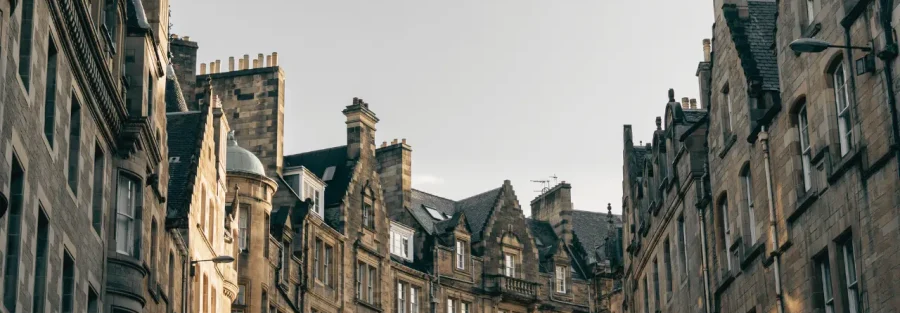
Walk through almost any town or city in the United Kingdom, and one thing becomes immediately clear. History is not hidden away in museums. It is part of everyday life. A morning coffee might be served in a Victorian building, a business meeting could take place inside a Georgian townhouse, and the journey home may pass a medieval church that has stood for centuries.
For many countries, historic buildings are treasured landmarks. In Britain, they are woven into daily routines. They are places where people work, shop, study, dine, and gather. This enduring relationship with the past raises an interesting question. Why do Britons continue to value old buildings so deeply, even in an age defined by rapid technological progress and modern architecture?
The answer goes beyond nostalgia. Britain’s affection for its historic buildings reflects a culture that believes preserving the past and embracing the future can exist side by side. It is a mindset that offers valuable lessons for businesses, communities, and leaders navigating change.
A Living Connection to History
Britain’s architectural heritage tells the story of centuries of social, cultural, and economic transformation. From Roman ruins and medieval castles to Victorian factories and Edwardian townhouses, each building represents a chapter in the nation’s evolution.
Unlike countries where historic districts exist separately from modern cities, Britain integrates its heritage into everyday life. Ancient cathedrals stand beside contemporary offices. Historic markets operate alongside digital businesses. This coexistence creates an environment where history feels alive rather than preserved behind glass.
According to Historic England, there are more than 370,000 listed buildings across England, each recognised for its special architectural or historic significance. These buildings are carefully protected, not simply because they are old, but because they contribute to the country’s identity and character.
Character Cannot Be Manufactured
Modern buildings often prioritise efficiency, sustainability, and functionality. Historic buildings, however, offer something that cannot easily be replicated. They possess character.
Weathered stone walls, handcrafted brickwork, timber beams, stained glass, and intricate detailing create spaces with personality and authenticity. Even imperfections contribute to their appeal. They remind people that beauty often comes from craftsmanship rather than perfection.
This appreciation extends beyond architecture. Businesses increasingly recognise that customers value authenticity. Whether choosing a neighbourhood café, a boutique hotel, or an office location, people are often drawn to places that tell a story.
A historic building offers more than shelter. It creates an experience.
Preservation Is Also Good Business
Protecting heritage is often viewed as a cultural responsibility, but it also delivers measurable economic value.
Research from Historic England shows that heritage tourism contributes billions of pounds annually to the UK’s economy and supports hundreds of thousands of jobs across hospitality, retail, construction, and cultural industries. Historic attractions continue to attract domestic and international visitors, strengthening local economies while encouraging investment in surrounding communities.
The impact extends beyond tourism. Businesses located in well-preserved historic areas frequently benefit from increased footfall, stronger local identity, and enhanced customer experiences. Investors also recognise that distinctive locations often retain long-term appeal.
In other words, preserving history is not simply about protecting the past. It can also create opportunities for future growth.
Old Buildings Teach Modern Lessons
Perhaps the greatest lesson Britain’s historic buildings offer is resilience.
Many of these structures have survived wars, economic downturns, industrial revolutions, changing governments, and evolving societies. They have adapted to new purposes without losing their identity.recognise
Former warehouses have become technology hubs. Historic mills now house creative agencies. Old railway stations have evolved into vibrant commercial centres.
This ability to evolve without abandoning core identity mirrors the challenge faced by many organisations today. Businesses must innovate, adopt new technologies, and respond to changing customer expectations, while remaining true to the values that earned trust in the first place.
The strongest organisations rarely erase their history. They build upon it.
Sustainability Begins with What Already Exists
As sustainability becomes a global priority, historic buildings are gaining renewed appreciation for another reason.
Demolishing and rebuilding structures requires significant amounts of energy, raw materials, and carbon emissions. Reusing existing buildings can reduce environmental impact while extending the life of valuable assets.
The UK Green Building Council highlights that retaining and adapting existing buildings can play an important role in reducing embodied carbon within the built environment. Adaptive reuse has therefore become an increasingly important strategy for sustainable urban development.
This shift reflects a broader change in thinking. Progress does not always require starting from scratch. Sometimes the most sustainable solution is improving what already exists.
More Than Bricks and Stone
Ask people why they love Britain’s old buildings, and many will struggle to explain it in technical terms.
Some speak about the atmosphere. Others mention craftsmanship or beauty. Many simply say these places “feel right.”
That emotional connection matters.
Historic buildings become landmarks for personal memories. They witness graduations, weddings, family gatherings, first jobs, and everyday routines. Over time, they become part of individual and collective identity.
This emotional value cannot be measured solely through financial returns or construction costs. It reflects something much deeper, the human desire for continuity in a constantly changing world.
Conclusion
Britain continues to invest in innovation, digital transformation, renewable energy, and modern infrastructure. Yet its historic buildings remain central to national identity.
Rather than seeing old and new as opposing forces, Britain demonstrates that they can complement each other. Innovation becomes stronger when it respects heritage, and heritage becomes more meaningful when it remains relevant.
For businesses, this offers an important reminder.
Growth does not require abandoning everything that came before. The most successful organisations often combine proven values with fresh thinking, creating a future that respects the foundations on which it was built.
Perhaps that is why Britons never tire of old buildings. They are not simply reminders of history. They are evidence that lasting success comes from adapting thoughtfully while preserving what truly matters.