Beyond its familiar red exterior, London's double-decker bus tells a story of urban mobility, economic connectivity, social inclusion, and the evolution of modern cities.
A Familiar Sight With a Bigger Story
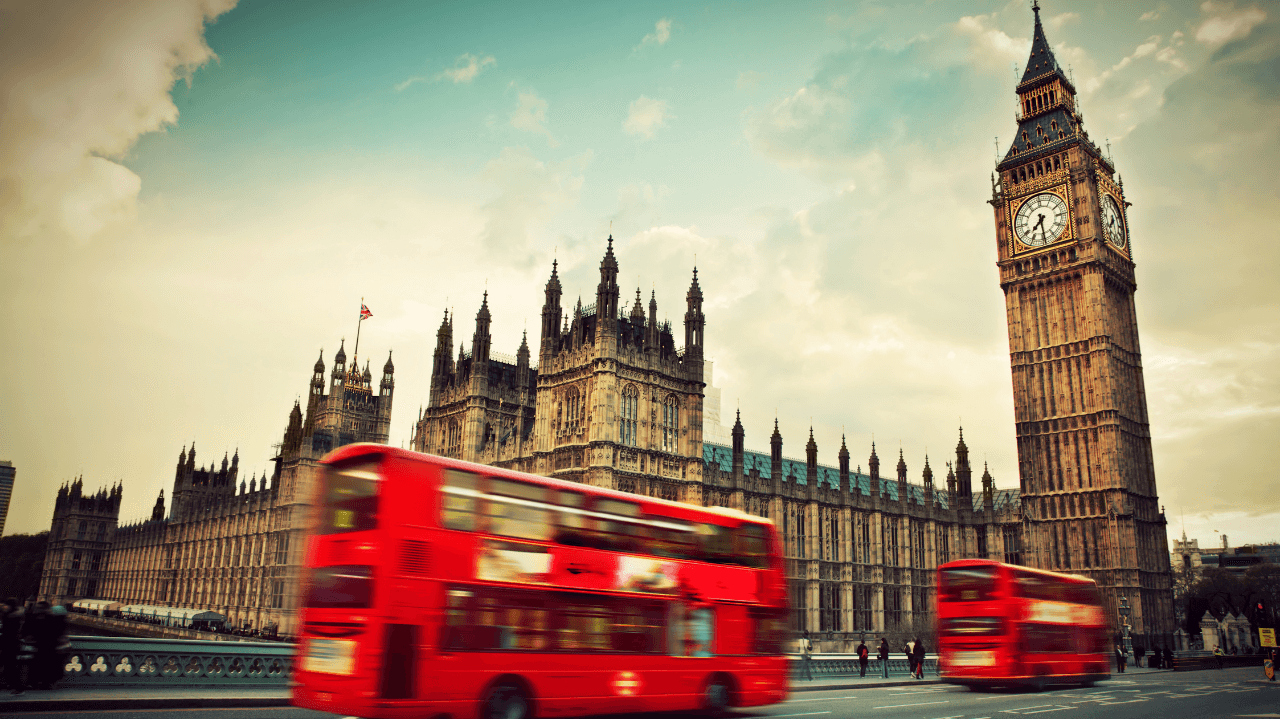
Few images capture the character of London quite like a red double-decker bus moving through its busy streets. Alongside black cabs and historic landmarks, it has become one of the city's most recognisable symbols, appearing in photographs, films, postcards, and travel campaigns worldwide.
Yet, behind its distinctive appearance lies a much bigger story. London's buses are not simply a part of its cultural identity. They are an essential component of the city's transport infrastructure, connecting communities, supporting economic activity, and helping millions of people navigate everyday life.
From their historical beginnings to their evolving role in sustainable urban transport, double-decker buses demonstrate how a familiar public service can influence the way a city functions, grows, and prepares for the future.
From Horse-Drawn Carriages to a Global Icon
London's relationship with buses began long before the introduction of motorised vehicles. In 1829, George Shillibeer introduced the city's first horse-drawn omnibus, operating between Paddington Green and Bank with seating for approximately 20 passengers. This early service marked an important development in organised public transport.
Over the following decades, buses evolved alongside London's expanding population and changing urban landscape. Motorised vehicles gradually replaced horse-drawn services, while improvements in engineering, passenger capacity, and vehicle design transformed the experience of public travel.
The familiar red colour also has a historical explanation. In 1908, the London General Omnibus Company adopted red as its identifying colour following its acquisition of a competing operator. As London's transport network developed, the colour became closely associated with the city's identity.
The double-decker eventually emerged as more than a practical transport solution. It became a recognisable representation of London's history, character, and ability to adapt.
Source: London Museum, London Buses: Red, Iconic, Double-Decked.
The Economic Engine Behind Everyday Movement
A city's transport network influences far more than how people travel. It affects employment opportunities, commercial activity, access to services, and the movement of customers across different neighbourhoods.
London's bus network plays a significant role in this wider economic ecosystem. By connecting residential areas with business districts, shopping centres, educational institutions, and transport interchanges, buses help people participate in the city's economic life.
For businesses, reliable public transport can influence employee accessibility, customer footfall, and the attractiveness of commercial locations. For workers, it provides an important connection between home and employment, particularly for those whose journeys are not conveniently served by rail or underground services.
The scale of this contribution is reflected in official transport statistics. According to the UK Department for Transport, London recorded approximately 1.8 billion local bus passenger journeys in the year ending March 2025, accounting for around half of all local bus journeys in England during that period.
These figures demonstrate the importance of bus services within London's wider mobility system.
However, the value of public transport cannot be measured through passenger numbers alone. Its wider contribution includes the opportunities it creates for individuals, the commercial activity it supports, and the connections it maintains between communities.
More Than Transport: A Social Connection
For many Londoners, the bus is part of an everyday routine. It carries students to universities, employees to workplaces, families to shopping areas, and older residents to essential services.
Its importance becomes particularly evident for people who depend on public transport for independence and access to opportunities.
A well-connected bus network can help reduce geographical barriers, allowing residents to reach employment, healthcare, education, and social activities without relying exclusively on private vehicles.
The double-decker's design also reflects the practical challenges of moving large numbers of people through a densely populated city. Its two levels provide additional passenger capacity within a relatively compact road footprint.
However, meaningful accessibility requires more than capacity. Step-free access, accessible boarding arrangements, clear passenger information, and reliable services all contribute to making public transport usable for a wider population.
In this sense, the double-decker represents an important principle of urban development: infrastructure should serve people with different needs, circumstances, and daily responsibilities.
The Sustainability Challenge: A New Generation of Buses
As cities address air pollution, carbon emissions, and climate-related challenges, public transport is undergoing a significant transformation.
London's bus network is part of this transition. Transport for London reported that it had more than 2,000 zero-emission buses in service by June 2025, reflecting continued investment in cleaner public transport technology.
The transition involves more than replacing conventional vehicles. It requires investment in charging infrastructure, depot facilities, maintenance capabilities, operational planning, and workforce skills.
For transport authorities and operators, this creates a complex management challenge. Environmental objectives must be balanced with service reliability, financial sustainability, passenger needs, and long-term infrastructure planning.
The experience of London's buses illustrates how sustainability is increasingly connected to operational resilience. Cleaner vehicles are an important part of the transition, but their long-term effectiveness also depends on the systems, resources, and planning that support them.
The Road Ahead: Preserving Identity While Embracing Change
Despite their iconic status, London's buses face contemporary challenges familiar to major cities worldwide. Road congestion, changing travel patterns, infrastructure demands, and financial pressures all influence how effectively services operate.
The future of the double-decker will therefore depend on more than preserving its recognisable appearance. It will require continued investment in technology, accessibility, service planning, and environmental performance.
For businesses and policymakers, London's experience offers a broader lesson: successful infrastructure must evolve alongside the needs of the people and economies it serves.
The challenge is not simply to modernise existing systems, but to ensure that progress remains practical, inclusive, and sustainable.
Conclusion: An Icon That Keeps London Moving
The double-decker bus is undoubtedly one of London's most enduring cultural symbols. Yet its significance extends well beyond tourism and nostalgia.
It represents the relationship between transport and economic opportunity, the importance of accessible public services, and the ongoing effort to build more sustainable cities.
Every journey contributes to a larger urban story, connecting people with workplaces, communities, education, and everyday opportunities.
Ultimately, the double-decker bus is more than a familiar red vehicle on London's streets. It is a reminder that the most meaningful infrastructure is not defined solely by how it looks, but by how effectively it serves the people who depend on it.