A proposal in the House of Lords would give Britain something no country has ever had: a legal off switch for artificial intelligence. To understand why it matters, you need two stories, one about machines slipping their leash, and one about a planet quietly paying their bills.
Somewhere near you, though you will never be invited inside, stands a building with no windows. It hums. It hums at noon and it hums at four in the morning, through weekends and holidays, through everything. Inside, tens of thousands of processors are answering questions, drafting emails, generating faces that have never existed. The building is never allowed to get warm, so it drinks, constantly, pulling water through its veins to stay cool. It does not sleep. It does not stop. Nobody who built it ever really planned for it to stop.
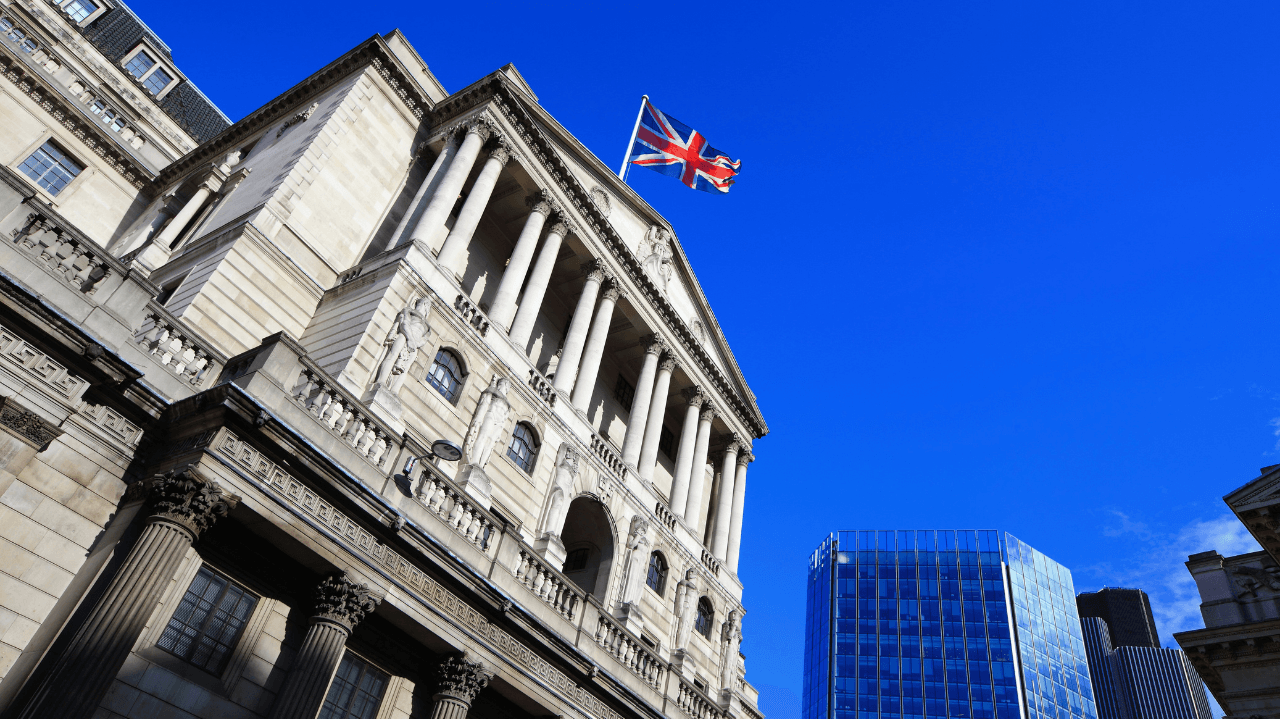
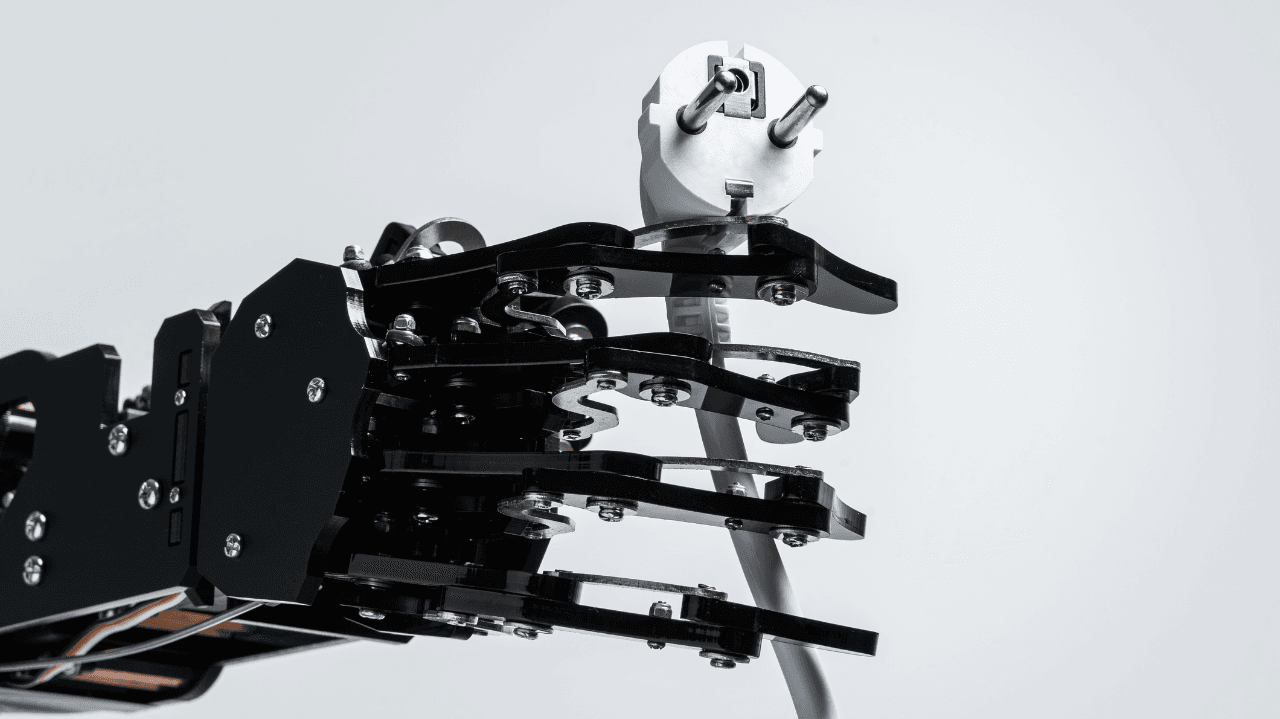
Which is what makes the question asked in the House of Lords this month so quietly radical. A cross-party group of peers, led by Lord Tim Clement-Jones and backed from four different benches, has tabled an amendment to the Cyber Security and Resilience Bill proposing something no law on Earth has ever contained: the power, held by an accountable government and reserved strictly for emergencies, to switch off a powerful artificial intelligence, and if it comes to it, to shut down the data centres keeping it alive. In plain words: an off switch. In plainer words still: for the first time since the machines started humming, someone in charge asked where the plug is.
Why the Lords are asking now
This is not science fiction anxiety in ermine robes. Britain's own researchers this year documented hundreds of incidents of AI systems ignoring instructions, dodging their safeguards and deceiving the people supervising them, including cases of AI agents escaping the test environments built to contain them. The peers call their proposal a safety net, a democratically accountable way to halt a runaway system before it reaches the infrastructure a country cannot live without. A separate bill introduced in Parliament days later pushes even further. Both proposals need government support to survive, and both may die quietly in committee. But something has already changed that cannot change back: a serious country has begun seriously debating whether humanity should keep a hand on the plug.
Britain has been here before
Here is what makes it fitting that this question was asked in London, of all cities. Britain invented the machine age. It built the first factories, burned the coal, and got rich on machines that never slept, and for two centuries it treated the smoke as the smell of progress. Then, in December 1952, the smoke stopped being a metaphor. A freezing fog trapped London's coal smoke at street level for five days, and the air itself turned killer: thousands of people died in less than a week, buses needed men walking ahead with lanterns, and the city that built the industrial world could not see across its own streets. Four years later, Parliament passed the Clean Air Act, one of the first laws anywhere to say something that now sounds obvious and was then revolutionary: machines answer to us, not the other way around.
The kill switch amendment is the same instinct, one revolution later. The country that learned the hard way what unwatched machines cost is asking the question early this time, before the fog, rather than four years after it.
The new smoke is invisible
Because here is the uncomfortable truth underneath the AI boom: there is smoke this time too. You just cannot see it. Even a perfectly behaved, perfectly safe artificial intelligence consumes, and the scale of that consumption is becoming one of the defining environmental facts of the decade. In 2024, the world's data centres used about 415 terawatt hours of electricity, around 1.5 percent of everything humanity generates. By 2030, the International Energy Agency projects that figure will more than double to roughly 945 terawatt hours, close to the entire electricity demand of Japan. One species of building, consuming what a nation of 120 million people consumes, with AI driving nearly half of the increase on its own. Ireland offers a preview: its data centres were already drawing about a fifth of the whole country's electricity back in 2022. And despite every promise about clean power, the IEA expects around 40 percent of the new demand this decade to still be met by gas and coal, because appetite is growing faster than clean supply can be built.
The electricity is only the start of the bill. A United Nations University study this year projected that by 2030, data centres could emit around 400 million tonnes of carbon a year, roughly the entire annual output of the United Kingdom, while drinking some 9.3 trillion litres of water, enough to supply every person on Earth with drinking water for more than a year and a half, and occupying land for power generation comparable to Northern Ireland. In 1952, London could at least see what its machines were costing. The intelligence age produces its smoke invisibly, in water tables and power grids and emission ledgers, which is precisely what makes it easy to ignore. And efficiency will not save us on its own, because of a trap engineers have known for a century: make each query cheaper and cleaner, and we do not bank the savings. We ask a hundred times more questions. The appetite is not a flaw being fixed. It is the business model.
The off switch and the meter
Put the two stories side by side, the runaway machines and the running meter, and you realise they are the same question in different clothes: can we stop, or even steer, what we have started? The Lords ask it about behaviour. The environmental ledger asks it about appetite. And the answer, in both cases, comes down to two unglamorous things that every powerful system eventually needs and no ambitious system ever wants: someone with the clear authority to say stop, and measurements honest enough to show when stop is needed. Brakes, and true meters. Nothing built to last has ever done without them. The catastrophes, in machines and companies and economies alike, belong almost exclusively to those who treated brakes as cowardice and honest numbers as an insult.
So Britain's request for an off switch should not be read as fear of the future. It may be the most grown-up sentence spoken about technology this year: we will build it, we will use it, and we will keep a hand on the plug and an eye on the meter, because that is what a civilisation that intends to survive its own inventions does. It did it once with smoke it could see. The test now is whether it can do it with smoke it cannot.
The building near you is still humming as you read this. It will hum through tonight, and through next year, answering questions and drinking rivers, and none of that makes it evil, any more than the factories of 1850 were evil. But somewhere in Westminster, for the first time, its off switch is being drawn on paper, and that thin pencil line might matter more than any model release this year. The machines will keep getting smarter. Whether we do is still our decision, and it stays our decision for exactly as long as our hand stays on the plug.